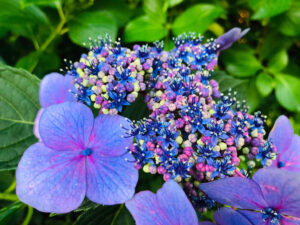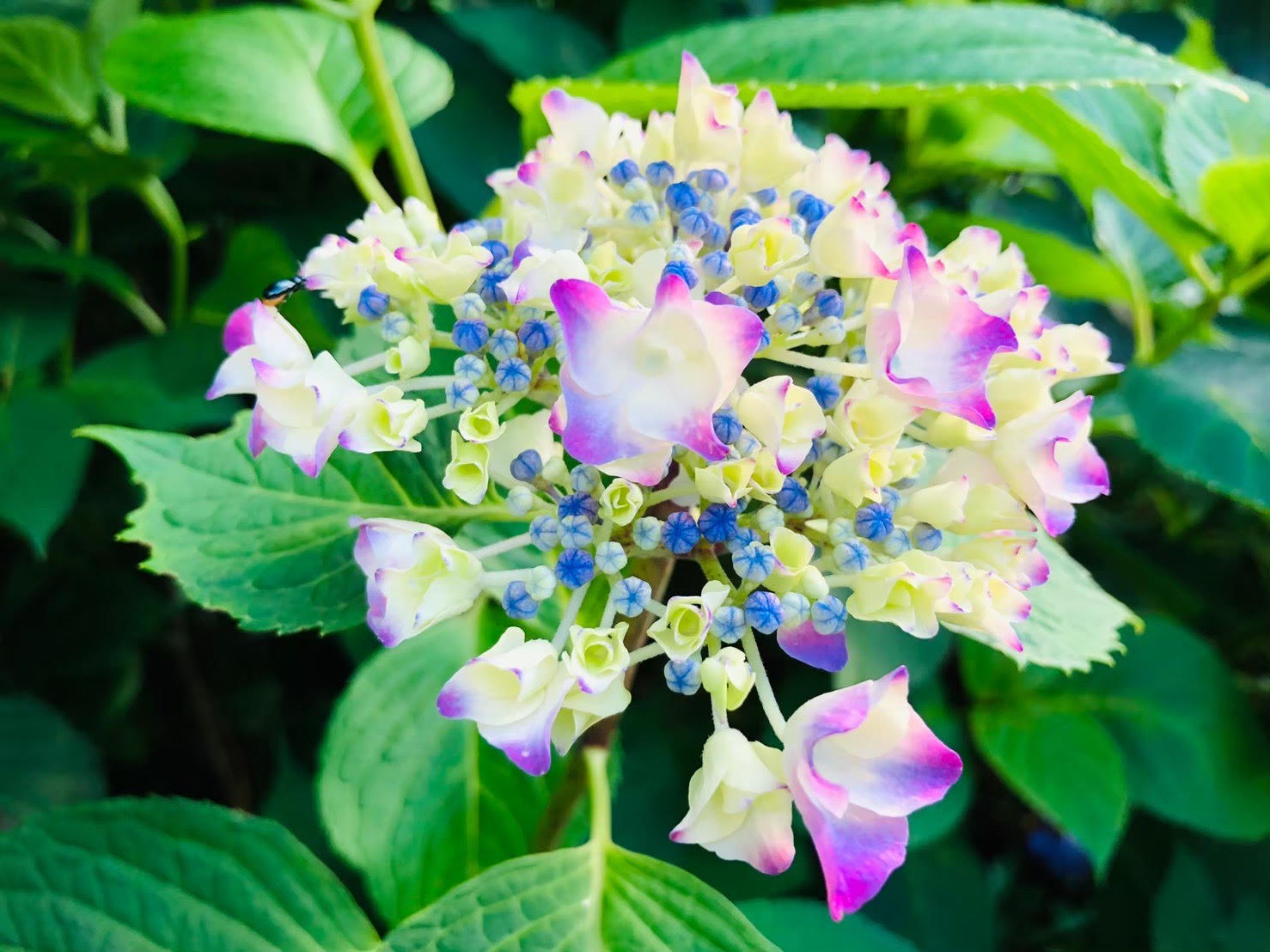
Walking around the island of Bali in Indonesia, you see small square baskets of leaves placed by the roadside, in front of shops and at the gates of homes. Inside are a few flowers. This is canang sari, a small daily offering.
A small basket, and flowers
In Balinese, canang means a small basket, and sari means essence, or soul. Flowers and offerings are placed in a basket woven from palm leaves and offered with incense.
The colors of the flowers also have meanings: each is said to represent a god guarding one of the four directions. The flowers are also said to express the very heart of the person offering them.
Made and offered every day
Canang sari is not for special days. Balinese Hindus make them every day and offer them at homes, shops and on the streets. It is said to be a way of showing gratitude to the gods, of protecting those places, and of settling one's own feelings.
Each one is a modest thing that takes a few minutes to make. But moving your hands every day without fail, choosing the flowers and setting them down. That repetition creates the flow of daily life.
A habit of giving form to gratitude
Research on mental health often says that a daily habit of being conscious of gratitude raises a sense of happiness. Canang sari is like continuing that habit every day in the form of "weaving flowers and setting them down."
Not only thinking "I am grateful" in your head, but moving your hands and making it something visible. Painting, for me, may have the same root. Taking what I have received, turning it into color and form, and letting it out.
I think of Mermaid nao's commissioned art as a one-time, slightly larger act of "giving form."
Sources
Travel Standard Japan (What is "canang," Bali's irresistibly cute offering?)
GOH, Bali travel specialist (Canang sari)
KulaKula Guide (Bali: the Hindu offering canang sari)
Related articles