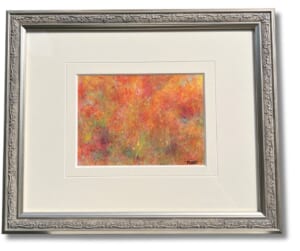
What kind of art should you display for the New Year? Along with kadomatsu, shime decorations, and kagami mochi, Japan has long cherished “a picture to see at the start of the year.” One of them is the picture of the treasure ship carrying the Seven Lucky Gods. People in Edo placed this picture under their pillows, hoping for a good first dream of the year. Here is the story of the treasure ship picture, and what to look at when you change the art in your home for the New Year.
The treasure ship picture once carried away the troubles of the old year
The treasure ship picture is known as a sailing ship loaded with rice bales and treasures, with the Seven Lucky Gods aboard. According to dictionaries, it was originally meant to put the troubles of the old year on a ship and float them away. It is also said that when people had a bad dream, they let the picture float away down a river.
The custom of placing the picture under the pillow is said to have existed already in the Muromachi period. At first it was done on New Year’s Eve, New Year’s Day, or the night of Setsubun, and later it became linked to the first dream of the New Year. The idea that happiness comes from beyond the sea has also been laid over the picture of the ship.
People in Edo and the treasure ship sellers
The “Morisada Mankō,” a record of Edo-period customs, says that in Edo people walked around selling treasure ship pictures on the evenings of January 1 and 2. People bought the pictures, placed them under their pillows, and recited a poem that reads the same forward and backward before falling asleep.
Nagaki yo no / tō no nefuri no / mina mezame / naminori fune no / oto no yoki kana
(In the long night, all wake from their deep sleep; how pleasant the sound of the ship riding the waves)
Which dream counts as the “first dream” has also changed over time. Long ago it was the dream on New Year’s Eve, but because people customarily stayed awake that night, it moved to the dream from New Year’s Day to the morning of the 2nd, and then to the dream on the night of the 2nd. A dream at the start of the year, and a picture placed beside it. Both, I think, gave shape to how people wanted to begin the new year.
Changing the art in today’s home for the New Year
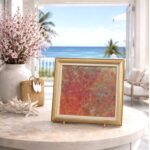
Fewer homes have a tokonoma alcove today, but you can enjoy changing the art in your entrance or living room for the New Year. Here are some things to look at.
- Where to hang it: The place you see most at the start of the year. Theentrancethat welcomes family coming home and guests, theliving roomwhere everyone gathers, or thebedroom
- 色: Not only the red, white, and gold of the New Year, but a color that matches the feeling you want to cherish this year
- When to hang it: After the year-end cleaning, as one of the preparations for welcoming the new year, just like New Year decorations
- What kind of painting: A painting that makes you think, “This is how I want to be this year.” Something that reminds you of your feelings at the start of the year every time you see it
What you want to cherish this year, in one painting
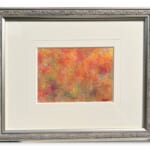
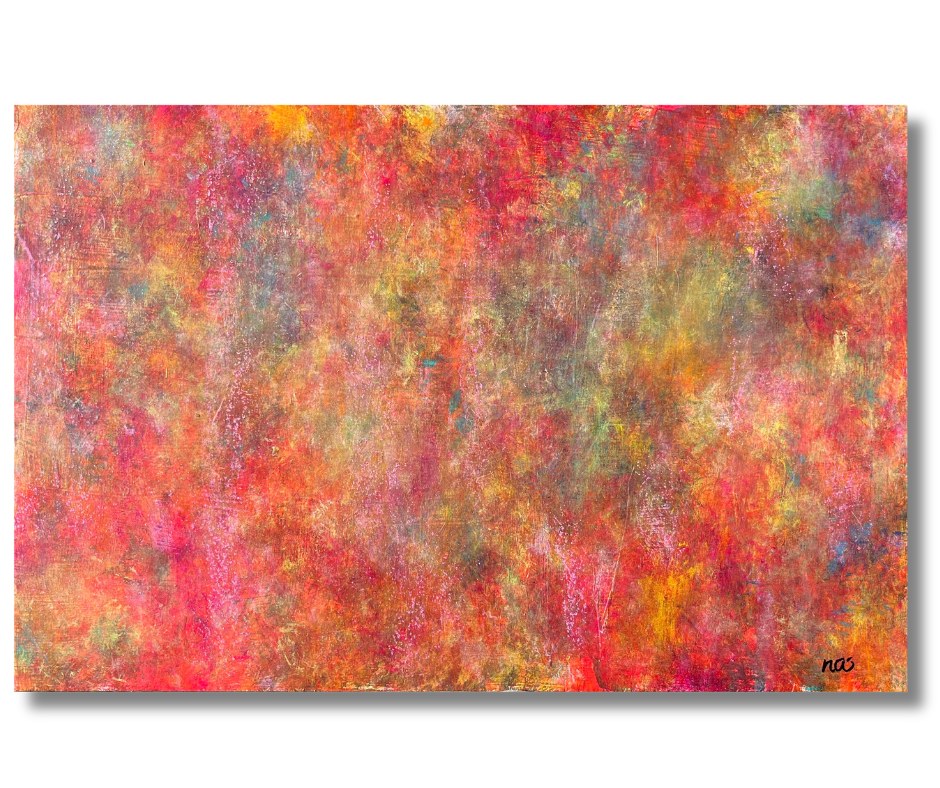
The treasure ship picture was something people received with the same design year after year. Today, you can also have your own wishes, or what you want to cherish this year, painted just as they are.
In my order art, I listen to your story before I paint. What you have walked through so far, and what you want to cherish from now on. I turn the colors and light I feel from your story into one painting and a letter. If you would like to think about a painting for yourself or someone dear before the new year begins, please seePERSONAL ORDER ART; for a painting to welcome a new year at your company or shop, please seeBUSINESS ART. Delivery takes about one to two months after I hear your story.
Summary
- The treasure ship picture was originally meant to put the troubles of the old year on a ship and float them away
- The custom of placing it under the pillow is said to have existed in the Muromachi period, and later became linked to the first dream of the New Year
- In Edo, treasure ship sellers walked the streets on the evenings of January 1 and 2, and people recited a palindrome poem before sleeping
- In today’s homes, you can enjoy changing the art in your entrance, living room, or bedroom for the New Year
[References]
Kotobank (Nihon Daihyakka Zensho (Nipponica), “Takarabune”)
Kotobank (Seisenban Nihon Kokugo Daijiten, “Takarabune”)
Kotobank (Kaitei Shinban Sekai Daihyakka Jiten, “Takarabune”)
nippon.com (Love and Attachment to a Culture Disappearing at the End of the Edo Period: “Morisada Mankō” (Part 15, Final))
Related reading
- Choosing a Painting for Your Entrance: Feng Shui Ideas and the One Picture You See Every Day
- Art for the Living Room and Feng Shui Directions: Colors for East, West, South, and North, and a Painting for the Room You Live In
- Art for the Bedroom: Calming Colors for Sleep and the First Painting You See in the Morning
- How High Should You Hang a Painting? The 145 cm (57-Inch) Guideline, Above a Sofa, and in Rooms Where You Sit