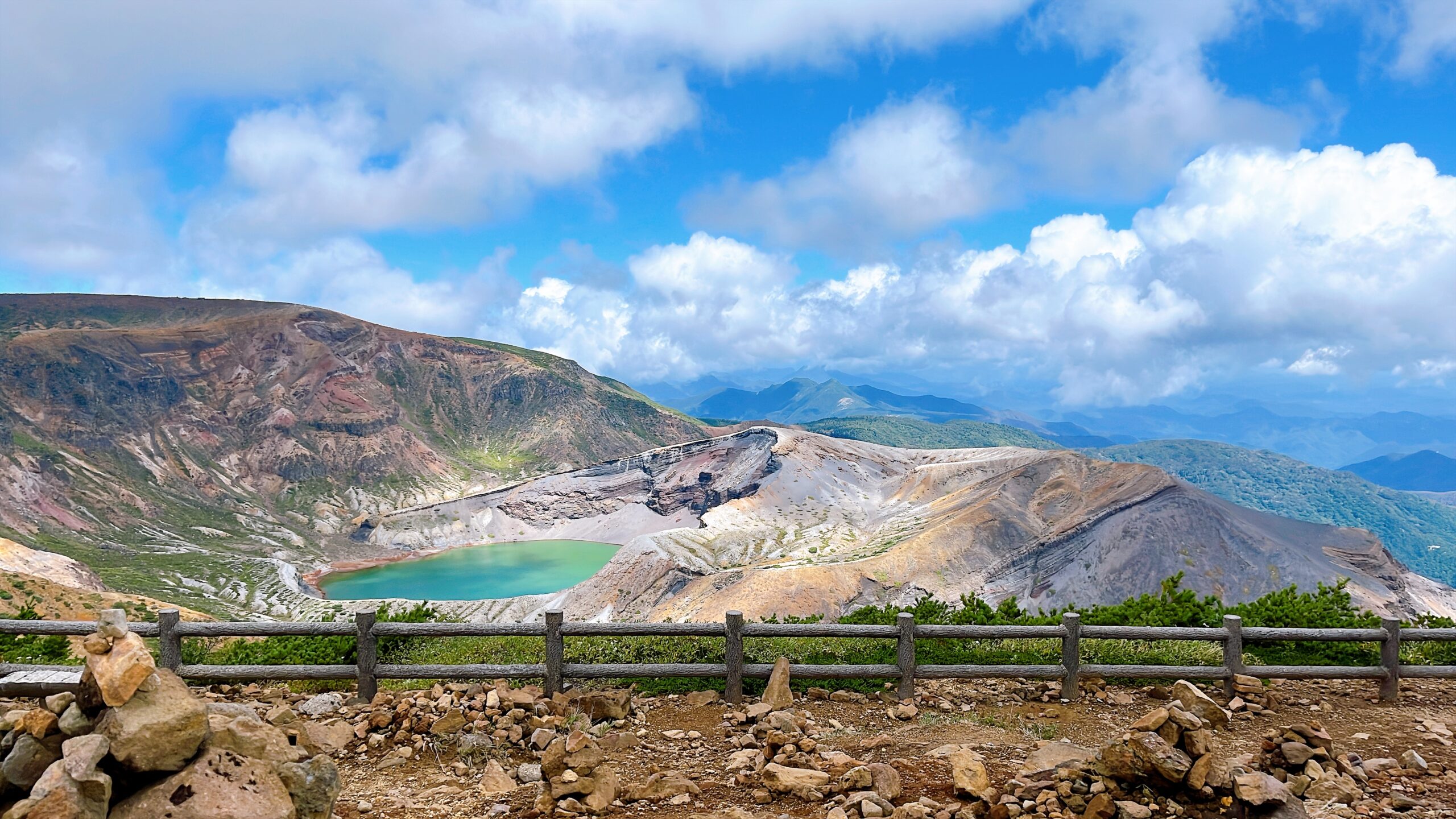
In Yamagata there is a place called the Okama of Zao.
I have loved it for a long time, and I often go there when my head is too full.
Here I write down what I feel each time I go, along with the history layered around the Okama.
Climbing up, cut off from everyday life
As you climb the mountain toward the Okama, the town falls away behind you and the sky comes closer. The phone signal grows weaker little by little.
It is a little different from the word purification, but I get a feeling of being scanned from the top of my head down to my feet, from top to bottom through my body, with whatever had built up without my noticing being erased.
Rather than having something added, the extra things grow smaller, and I return to my own center. For me, it is that kind of place.
A lake called the Okama
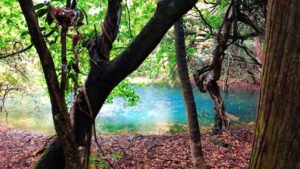
The Okama of Zao is a crater lake on Mount Goshikidake in the Zao mountain range. It was born from volcanic activity, and because the color of its water changes with the weather plus the light, it is also called Goshikinuma, the five-colored pond.
Overlooking the water gathered in its cauldron-like shape stands the inner shrine of Kattamine Shrine.
The life-offering prayer of Lord Date Munetaka
Near the Okama is a monument marking the site of the life-offering prayer of Lord Date Munetaka.
Date Munetaka was the seventh son of Date Masamune. About 400 years ago, when an eruption on Zao brought harm to the people at the foot of the mountain, Munetaka is said to have climbed Zao and prayed at the summit for the eruption to calm.
Munetaka later died young, at just 20. People of later generations took this to mean that he had tried to save the people by offering his own life, and they have handed down the story of his life-offering prayer.
Only recently did I learn that around the Okama, which I had looked at without much thought, long stretches of time involving nature, people plus faith lie layered together.
See the Okama, visit the shrine, drink amazake
See the Okama. Pray at Kattamine Shrine. Then drink amazake. That is my usual way of going around. The amazake here is properly sweet, a taste I really love.
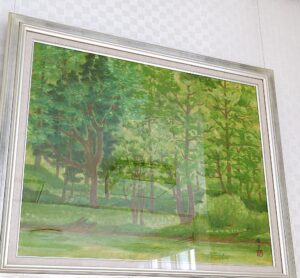
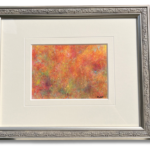
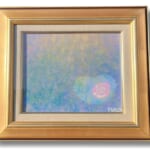
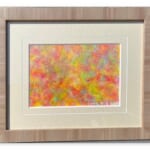
In my work of taking in color plus light and turning them into a painting, colors I saw in places like this sometimes appear in a piece long afterward.
When peak autumn leaves meet a clear sky, Zao itself becomes like one large painting. Near the summit, the leaves usually begin to turn around late September.
[References]
Zao Town Tourism Association (Japanese): The Okama of Zao / Kattamine Shrine
Wikipedia (Japanese): Okama (Zao mountains) / Date Munetaka
Yamagata Tourism, the official Yamagata Prefecture tourism site (Japanese): Zao
Related articles