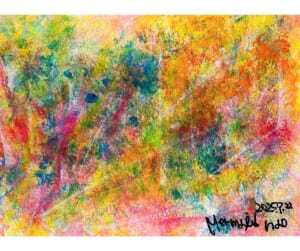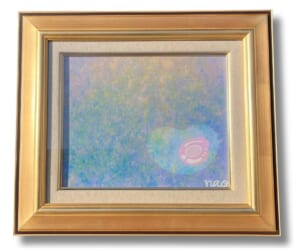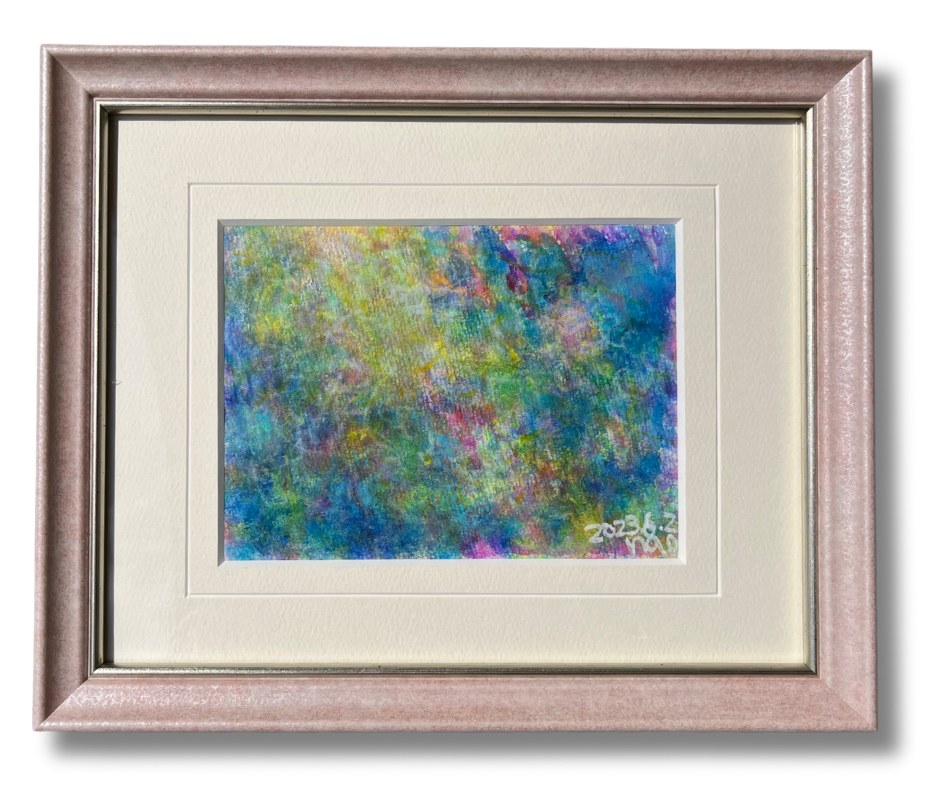
A waiting room is one of the places where people spend the most time at a clinic or salon. So how do you choose art for a waiting room? Here is what research tells us, including a study in which patients and physicians chose different paintings, and a study of waiting rooms where nature art was installed, along with a few things worth keeping in mind.
A waiting room is a place where people wait
In Japan's Patient Behavior Survey (Ministry of Health, Labour and Welfare, 2020), the most common complaint among outpatients was "the wait before seeing the doctor," at 24.1%. Every clinic has waiting time. What hangs on the wall people look at while they wait? Thinking about waiting room art is also thinking about how people spend that time.
The same survey found that 71.1% of outpatients get information about medical facilities through word of mouth from family, friends, and acquaintances. The impression a clinic leaves travels through the words of the people who visit.
Patients and physicians chose different paintings
In 2025, Anna Balandin and colleagues at Kiel University Hospital in Germany published a study on art preferences for patient rooms (in Wiener Medizinische Wochenschrift).
Three groups of 79 people each, chronic pain patients, palliative care patients, and physicians, were asked to choose one picture for a patient room, from abstract photographic works and figurative paintings from the Kunsthalle zu Kiel collection.
- Patients: about two-thirds chose figurative art, such as nature scenes
- Physicians choosing "for patients": 42% chose figurative art
- Physicians choosing for themselves: 58% chose figurative art
The most common reasons were "it is calming," "the subject is pleasing," and "the nature scene is pleasing."
The authors concluded that figurative art with natural views suits patient rooms and treatment rooms, while a combination of abstract and figurative art is appropriate for shared spaces where people gather. Another finding: the art physicians chose with patients in mind did not always match what patients chose for themselves.
What happened in waiting rooms with nature art
In the United States, a study observed people in the emergency department waiting rooms of two hospitals in Houston, before and after nature-themed art and images were installed (Upali Nanda and colleagues, 2009–2010, funded by The Center for Health Design).
Afterward, restless behavior decreased, people stared at each other less, and conversation increased. The researchers suggest that having something to look at while waiting helped reduce restlessness.
I have also written about art in hospitals in About Hospital Art.
Things to consider when choosing waiting room art
- Who visits: the colors and subjects that fit change with the specialty, and with whether many children or older people come
- Colors and shapes that feel like nature: in the research, people chose nature scenes and calming pictures. Colors that remind us of the sea, sky, water, flowers, and trees blend well into a waiting room
- The colors of the whole room: clinic design guides recommend soft light and warm tones for waiting rooms. Choosing art that matches the walls and furniture brings the space together
- Seated eye level: most people sit while they wait. Check that the art comes naturally into view from a seated position, not only when standing (general guidance is in How High to Hang a Painting)
- The owner's wishes and the visitors' feelings: as the study shows, the person choosing and the people looking may prefer different things. It helps to consider both
What I ask when painting to order
When I paint for a clinic or salon, I listen first. Along with what the director or owner values and why they opened the practice, I ask how they hope people will feel in the waiting room and who usually comes, and then I think about color and size.
Art for companies and clinics is on the BUSINESS ART (Clinics & Salons) page.
Summary
- The most common outpatient complaint in Japan is the wait before seeing the doctor, at 24.1% (Ministry of Health, Labour and Welfare)
- In the Kiel University Hospital study, about two-thirds of patients chose figurative art such as nature scenes, which differed from what physicians chose for them
- The authors recommend figurative nature scenes for patient rooms, and a mix of abstract and figurative art for shared spaces
- In emergency waiting rooms with nature art and images, restless behavior decreased and conversation increased
- When choosing, consider who visits, nature-like colors, the room's colors, seated eye level, and both the owner's wishes and the visitors' feelings
* The studies introduced here do not promise any treatment effect from art.
Sources
- Ministry of Health, Labour and Welfare, Japan (Overview of the 2020 Patient Behavior Survey, final figures)
- Wiener Medizinische Wochenschrift (Comparison of art preferences in patient rooms between chronic pain patients, palliative care patients and physicians) Anna Balandin et al., 2025
- The Center for Health Design (Impact of Visual Art on Patient Behavior in the Emergency Department Waiting Room) Upali Nanda et al.
- Healthcare Design (Impact of Art on the ED Waiting Experience)
- Medicom Park (Clinic design: the waiting room and restroom are key)
Related reading