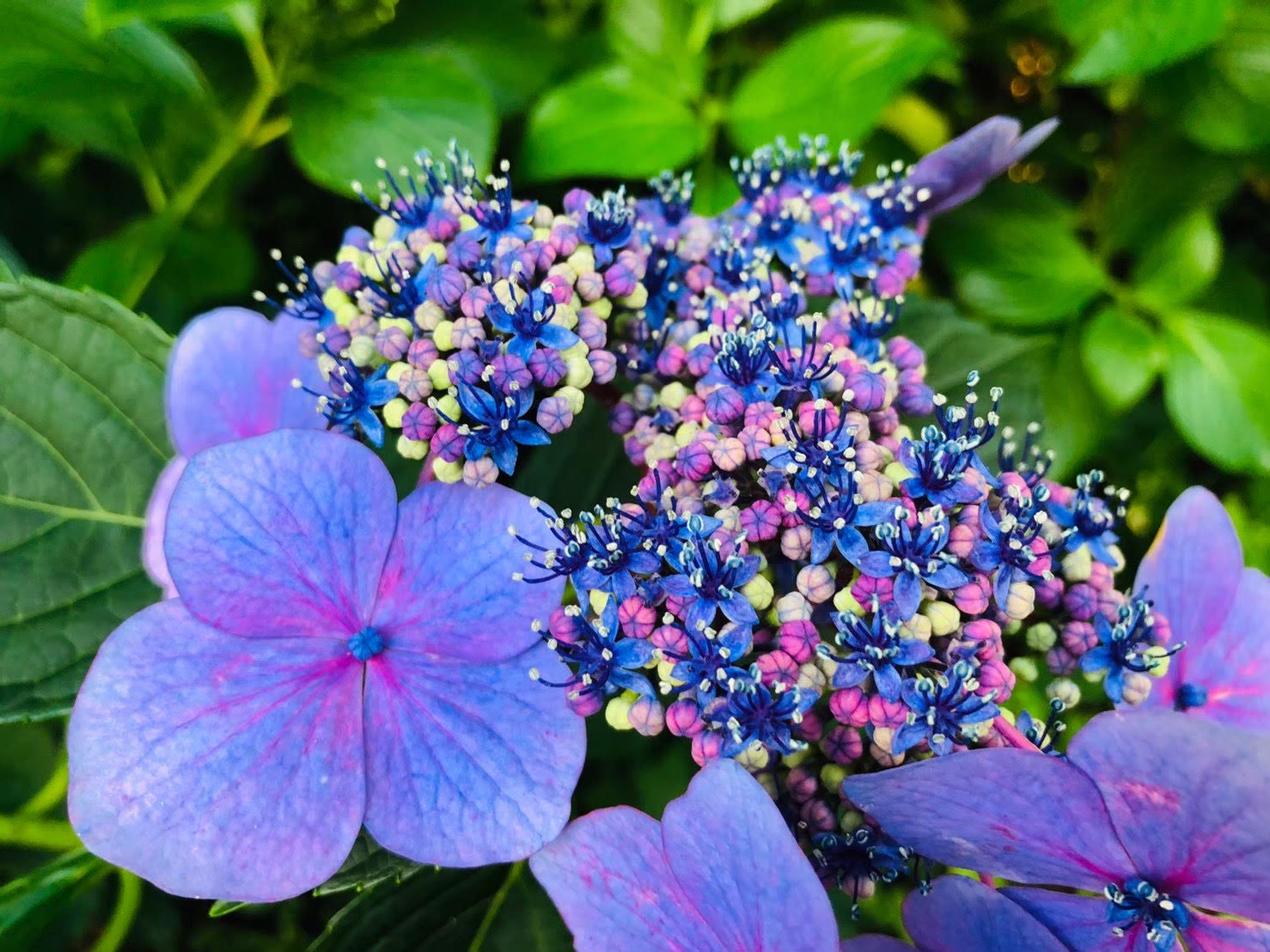
Yamagata Prefecture's official flower is the safflower (benibana). This wasn't chosen just for decoration — it's rooted in history.
Yamagata Was Once Japan's Top Safflower-Producing Region
During the Edo period, the Murayama region along the middle stretch of the Mogami River was blessed with rich soil and a climate prone to morning mist, and grew into Japan's leading safflower-producing area.
The volume produced was known as "Mogami Senda," and records show that at its peak in the late Edo period, it accounted for roughly half of all safflower production in Japan.
The Japan Heritage site "Yamadera and Safflower" describes the value of Mogami safflower as "a hundred times the price of rice, ten times the price of gold." It was that valuable a crop.
Making the Color "Beni" (Crimson) from Flowers
Safflower buds are picked, fermented, shaped into rounds, and dried to make what's called "beni-mochi." The red pigment extracted from this is called "beni" (crimson).
Beni was used as a color for lip rouge and for dyeing silk. Among Japan's traditional colors, it is a red that has always been treated as something special.
The beni-mochi made in Yamagata was carried by boat down the Mogami River to Sakata Port, and from there transported to Kyoto aboard Kitamaebune trading ships. This route has a history of more than 450 years. For a long stretch of time, the beni used in Kyoto was made from flowers grown in Yamagata.
Yamagata Was Also a Producer of Color Itself
In Kahoku Town, there is the Safflower Museum (Benibana Shiryokan). Built on the former estate of Horigome Shirobei, a wealthy merchant who made his fortune from safflower, it houses exhibits telling the story of the trade of that era and the culture that flowed in from Kyoto. In recent years, Mogami safflower has also been certified as a Japanese Agricultural Heritage.
I paint here in Yamagata, doing work that layers color upon color. When I learn that this land once created color itself and sent it out across the country, I feel like what I'm doing is somehow connected to the history of this place.
In my commissioned artwork at Mermaid nao, too, whenever I use the color red, I sometimes find myself remembering this story of the safflower.
[References]
Japan Heritage "Yamadera and Safflower" (The Value of Mogami Safflower: A Hundred Times the Price of Rice, Ten Times the Price of Gold)
Yamagata City Official Website (Yamagata's "Mogami Safflower," Connected by History and Tradition, Certified as a Japanese Agricultural Heritage)
Oishii Yamagata Website (About Safflower: The History and Present State of Safflower Cultivation in Yamagata)
Yamagata Kanko Travel Guide (Safflower Museum / Former Horigome Residence)
Related Articles