What does your life remember?
If heaven's wish took the form of you — what is it that pulses within you? When your life answers that resonance, the world you live in will begin to change its course as well. "When that sound dwells within life, the soul resounds and fills the heavens."
作品に込めた想い
自分にとって本当に大切なものを見極め、自分の軸を定めて、その方向へまっすぐ進んでいきたい方へ。また、自分の中にすでにある感覚を、より深く研ぎ澄ませていきたい方へ向けた作品です。
人にはそれぞれ、理由をうまく説明できなくても、なぜか心が動くものがあります。音、色、場所、人、言葉、文化、景色。それらに触れた瞬間に生まれる感覚は、ときに思考よりも早く、私たちの内側を揺らします。
Concept & Background
身体に刻まれたDNA。先祖から受け継いだもの。長い年月の中で育まれてきた文化や感覚。そして、潜在意識や魂の記憶と呼びたくなるような、言葉だけでは捉えきれない感覚。太古の昔から、幾つもの時代を越え、数えきれない人々が命をつないできました。その途方もなく長い連なりの先に、今を生きる「自分」がいます。
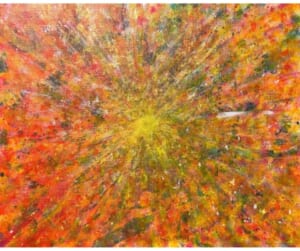
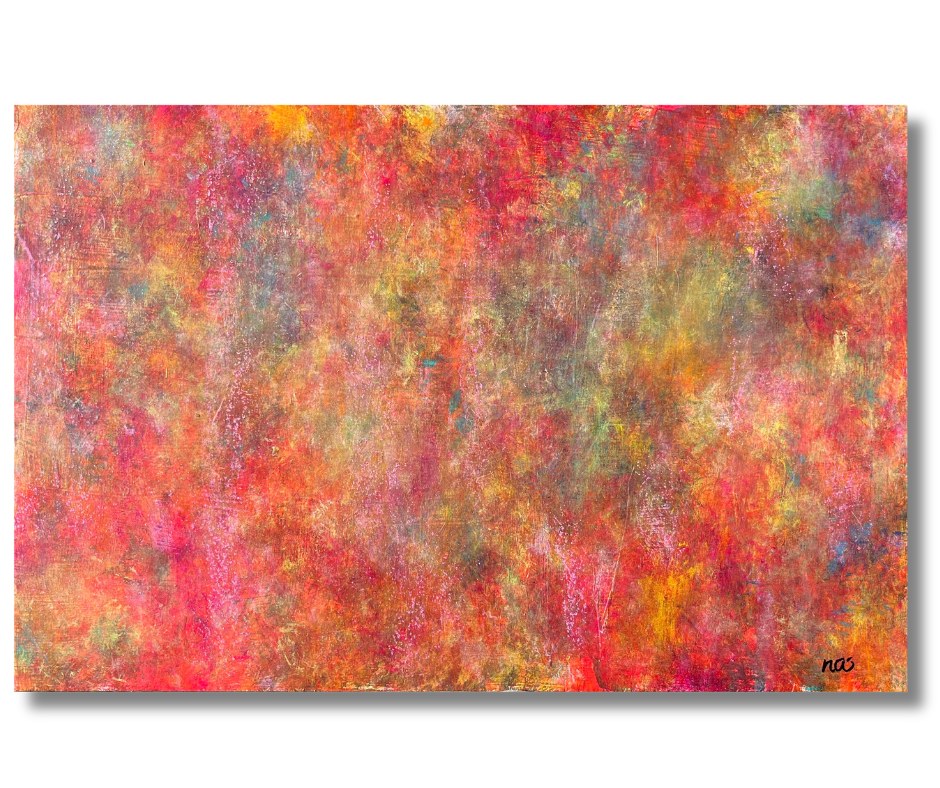
過去から現在へと絶えず続いてきたものが、今、「自分」というひとつの命として脈打っている。この作品では、その目には見えない「命の記憶」と、自分の内側に確かに存在する「感覚」を描いています。
Technique, Color & Expression
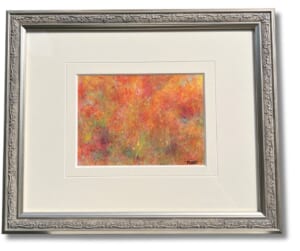
画面には、赤、橙、黄、緑、青など、生命の熱を感じさせる色彩を幾重にも重ねています。中心に広がる赤や橙は、太陽や火、体内を巡る血、脈打つ生命を思わせる色。その周囲には、水や大地、植物を連想させる青や緑、黄色などが混ざり合い、一つの場所に留まることなく画面全体へ広がっています。異なる色は、互いを消すのではなく、重なり、混ざり、影響し合うことで、それぞれの鮮やかさを増していきます。
制作にあたって
タイトルの「アマテラス」には、「天を照らす」という意味があります。しかし、この作品で表現したかったのは、誰かを照らすために特別な存在になることではありません。何を成し遂げるのか。どんな肩書きを持つのか。何者として評価されるのか。それよりも前に、「自分の中には、何が脈打っているのか。」
そこにある響きに命が応えるとき、自分自身の在り方が変わり、その変化はやがて、自分が生きる世界の流れにもつながっていく。遥かな時間を経て、今ここに存在しているひとつの命。その内側にある「響き」を描いた作品です。
この作品は非売品として、大切に手元に置いている一枚です。パーソナルオーダーアートでは、お一人おひとりとの対話を通して、あなただけの一枚を描かせていただきます。Usage of Artwork
More about this painting
Amaterasu, the sun goddess
Amaterasu Omikami is the sun goddess of Japanese mythology. The Kojiki tells that she was born when the god Izanagi washed his left eye during a purification ritual.
As her name — "shining over heaven" — suggests, she is the one who lights the heavens. Known also from the myth in which she hid in the Heavenly Rock Cave and the world fell into darkness, she has been especially revered among Japan's gods.
Ise Jingu and the rebuilding every 20 years
Amaterasu is enshrined at the Inner Shrine (Kotai Jingu) of Ise Jingu in Ise, Mie Prefecture.
Once every 20 years, Ise Jingu holds the Shikinen Sengu: the shrine buildings are rebuilt, the sacred treasures are all made anew, and the deity is moved to the new shrine. The tradition is said to have begun in 690, in the Asuka period, and despite interruptions it has continued for more than 1,300 years. The 62nd took place in 2013, and the 63rd is planned for 2033.
By rebuilding every 20 years, the skills of the shrine carpenters and of the artisans who make the robes and treasures are handed down from generation to generation. Rather than preserving the old as it is, the same form is made new again and again — and so it continues. I feel this is a very Japanese way of "carrying on."
What does your life remember?
I gave this painting the question: "What does your life remember?"
Our bodies carry genes passed down from parent to child. And there are things passed down that we cannot see — language, culture, seasonal festivals, food, the way we move our hands.
There are sounds, colors and places that move our hearts even when we cannot explain why. Perhaps they are memories that have remained within us through the long chain of life.
When life answers the resonance
Just as the Shikinen Sengu has made the same form new again and again, we too live what we have inherited anew, with our own lives.
Standing before this painting, please listen to what quietly resonates within you.
Sources
Kojiki
Ise Jingu (About the Shikinen Sengu)
Jingu Administration Office (63rd Shikinen Sengu)