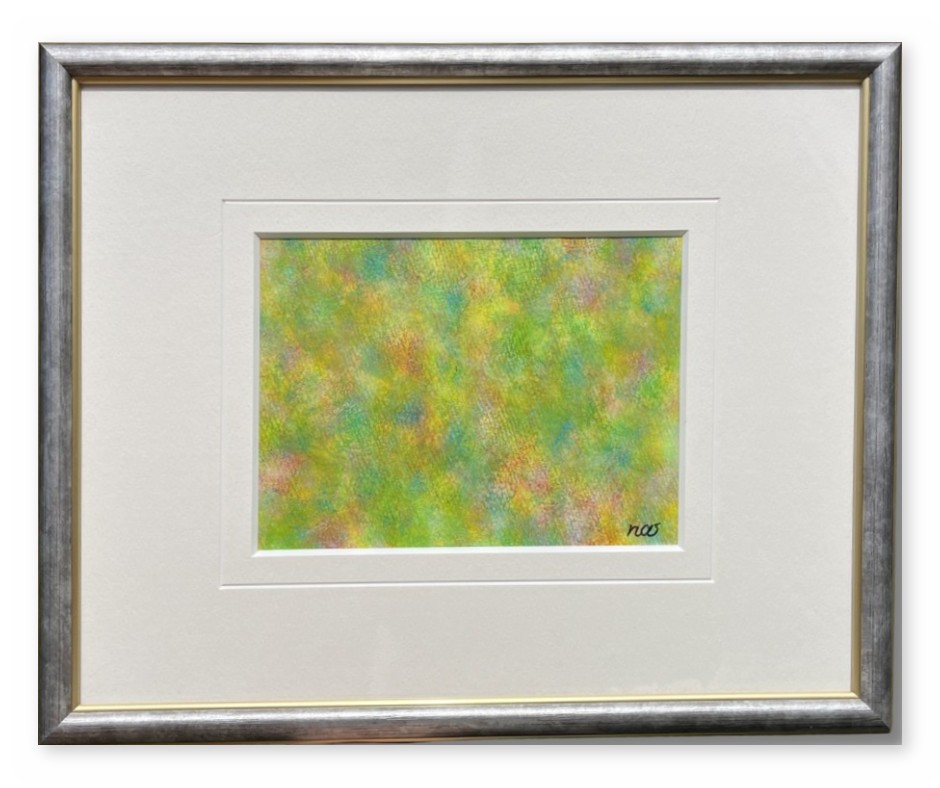
Giving a portrait or a painting to mark someone's retirement or the end of their term is a custom that continues today, especially at universities abroad. In Japan, too, universities have commissioned portraits of former presidents and held presentation ceremonies. This article looks at examples from Japan and overseas, and at what the people giving the painting may want to think about.
At Harvard Law School, since 1848
Harvard Law School has a long tradition of displaying portraits of its faculty on the walls around campus. According to the school, it began in 1848 with a student-sponsored portrait of Professor Simon Greenleaf. Paintings were commissioned or given to the school after that, and the collection now holds nearly 100 paintings.
Portraits of the school's deans have also been painted from the late 1800s to today. In 2021, the portrait of Martha Minow, dean from 2009 to 2017, was unveiled. On that occasion she said, in essence, that becoming dean is not about oneself. I think the meaning of this custom lies in the fact that the person portrayed says so.
At British universities, portraits at the end of a term
The art collection page of the University of Salford in the UK says that portraits of chancellors and vice-chancellors have traditionally been commissioned at the end of their term of office, a practice common across UK universities.
Since 2014, the university has changed the way it commissions them, inviting students and staff who work in art, photography, digital media and related fields to create the official portraits. People who studied in a place portray the person who led it. As a custom continues, what it contains can change little by little.
In Japan: a portrait of a former president of Kyoto University
In November 2009, Kyoto University held a ceremony to present the portrait of its former president, Kazuo Oike. It was painted by Kenji Tsuruta of Kyoto City University of Arts. The ceremony took place a little over a year after Oike stepped down.
Even if a painting is not ready on the day someone leaves, it can still be given later. This example made me think so.
Painting a place instead of a face
In 1945, students at Dartmouth College in the US gave a painting to Ernest Martin Hopkins as he retired as president. What it showed was not his face but a scene of the campus. It was painted by Paul Sample, a Dartmouth graduate and the college's artist in residence.
The students walked in a torchlight procession to the president's house and presented their message on a scroll. It thanked him for his personal friendship and expressed the hope that the painting would be a constant reminder of his days at Dartmouth.
What to think about when giving a painting for a retirement
- What to paint: Will it show the person's face, or what they have cherished and the places where they spent their time? As at Dartmouth, a landscape is also a choice.
- Where it will hang: Will it stay with the organization, for the people who come next, or go home with the person? The size and mood of the painting change with that choice.
- When to give it: If you want it ready for the last day, ask early. As at Kyoto University, a presentation can also be held after the person has left.
- Who it comes from: Students, staff, former students, colleagues. How will the feelings of the people giving it be included? At both Harvard and Dartmouth, it began as a gift from students.
The retirement paintings I make
I am a Japanese artist, and my commissioned works are not portraits that reproduce a face like a photograph. I listen to the story and turn what the person has cherished, and what the people around them have felt about them, into color and form in an abstract painting. I can also paint from what the people giving the gift tell me.
Paintings are usually shipped within one to two months after payment is confirmed. If you would like it ready for a retirement day, please get in touch early. Gifts for an individual are described on the PERSONAL ORDER ART page, and gifts from a company or organization, or paintings to hang in one, on the BUSINESS ART page.
Sources
Harvard Law School (A sense of continuity: Harvard Law School’s faculty portraits)
Harvard Law School (A portrait tradition: Deans of Harvard Law)
University of Salford Art Collection (Portraits)
Kyoto University (Speech at the presentation of former President Oike's portrait, November 25, 2009)
Dartmouth Alumni Magazine (Student Gift, November 1945)