In Edo-period Japan, there were woodblock prints that ordinary people bought. These were ukiyo-e. These local Japanese pictures crossed the sea and changed Western painting.
Hokusai, Hiroshige, Utamaro
Katsushika Hokusai, known for the great wave of The Great Wave off Kanagawa. Utagawa Hiroshige, who painted post towns plus city scenes in The Fifty-three Stations of the Tokaido plus One Hundred Famous Views of Edo. Kitagawa Utamaro, with his pictures of beautiful women. Ukiyo-e printed landscapes, actors, daily life, pleasures: the now of Edo at that moment.
They were not pictures painted one by one by hand, but prints made from carved woodblocks. So they were cheap, and circulated widely. Rather than art, they were closer to everyday goods.
Crossing the sea to become Japonisme
When Japan opened its ports in the 1850s, large numbers of ukiyo-e made their way to Europe. They spread through antique dealers plus flea markets, drew attention at events such as the Paris World Expositions, and a boom for things Japanese arose, called Japonisme.
This was just when the Impressionist painters were beginning their work. Vivid color, bold composition, flat picture surfaces. As elements Western painting had not had before, they had a great influence.
Monet, and Van Gogh
Claude Monet collected ukiyo-e at his home. In the water lilies he painted more than 200 times over his life, a Japanese-style arched bridge appears. This is said to show the influence of Hiroshige's One Hundred Famous Views of Edo.
Vincent van Gogh filled the background of Portrait of Pere Tanguy with ukiyo-e, and copied Hiroshige's landscapes in oil paint. Mixing Western technique with ukiyo-e, he formed his own style.
Local everyday life moves things far away
What I love about the story of ukiyo-e is that what they show is nothing special. Post towns, waves, rain, women of the town. For the people of Edo, this was everyday life. And those pictures of everyday life moved the hands of painters across the sea.
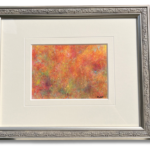
I share my paintings from Yamagata. The everyday life here, the colors of this land, may someday reach someone somewhere. The history of ukiyo-e makes me think so.
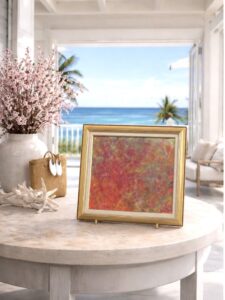
Mermaid nao's order art, too, is the work of keeping the colors within your everyday life in a single painting.
[References]
TOKYO MX+ (Japanese): The impact of ukiyo-e on Monet plus Cezanne, the Japonisme that influenced the world
Adachi Institute of Woodcut Prints, Hokusai Now and Then (Japanese): Van Gogh, enchanted by ukiyo-e / Western artists captivated by Hokusai
Token World Ukiyo-e (Japanese): The life of the ukiyo-e artist Utagawa Hiroshige
Related articles