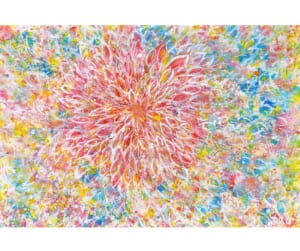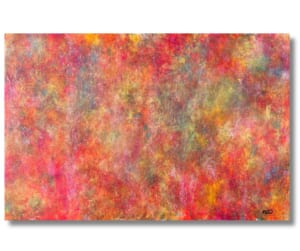
You would like to hang a painting on the wall of your company or clinic. When you think about it, one question comes up: can it be counted as a business expense? From April 2026, an expense rule available to smaller companies in Japan has been expanded. Based on explanations from tax firms and accounting services, here is what is useful to know before displaying a painting.
From April 2026, the limit rose to "under ¥400,000 per item"
The "special rule for small depreciable assets," available to small and medium-sized companies, lets you expense an item costing under ¥400,000 in full in the year you buy it. With the 2026 tax reform, the limit was raised from "under ¥300,000" to "under ¥400,000."
- Applies to: items acquired on or after April 1, 2026
- Period: until March 31, 2029 (a three-year extension)
- Annual limit: up to ¥3,000,000 in total per year
- Eligible companies: small and medium-sized companies filing blue returns (companies with more than 400 regular employees are now excluded)
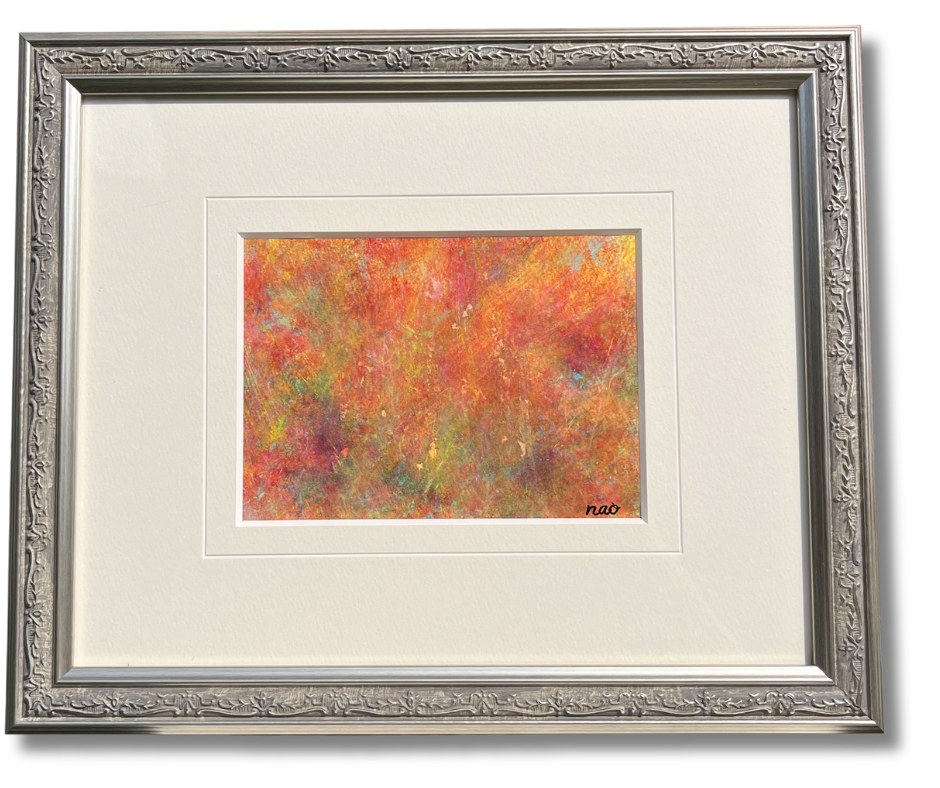
A painting displayed in a company lobby, a reception room, or a clinic waiting room can also fall under this rule as equipment used in the business.
Artworks under ¥1,000,000 per item can be expensed gradually
Artworks acquired on or after January 1, 2015, priced under ¥1,000,000 per item, are in principle treated as depreciable assets. Before that, artworks were in principle something you could not expense.
The useful life of a painting displayed indoors is eight years. Explanations note that the frame, shipping and similar costs can be included in the acquisition cost.
In addition, on October 30, 2026, Japan's National Tax Agency published a proposal to raise this threshold to "under ¥2,000,000 per item" and opened it for public comment. It is planned to apply to artworks acquired from January 1, 2027, but as of November 2026 it is still a proposal awaiting confirmation.
What counts: paintings displayed where you do business
Every explanation shares one point: the item must be used in the business. It is assumed that the painting is displayed at a place of work, such as a company, shop or clinic. A painting given to a business partner or displayed at home is treated differently.
How it is actually handled depends on the size of the company and how it files its taxes. When you are considering a purchase, please check with your company's tax accountant.
For openings, relocations and anniversaries
Moving to a new office, opening a clinic, a founding anniversary. When a place becomes new, it is also the time to think about what to hang there. Guides for medical practices also note that the impression of the waiting room connects to the impression of the whole clinic and to patients' feeling of "I want to come here."
BUSINESS ART is a made-to-order original painting: I listen to the founder or business owner and paint the origin of the company and the future it wants to create, in a single original work. Along with the artwork, I hand over a "Brand Art Story" that puts that company's own story into words.
Prices are shown including tax, framing and domestic shipping. I would be happy if it could stay in a place you see every day, as a piece that brings you back to the company's starting point each time you look at it, even on days when a decision feels hard.
You can find everything about a painting for your company or clinic on theBUSINESS ARTpage. Please start with a free conversation (online, about 20 minutes). You can decide whether to commission after we talk.
Summary
- From April 2026, small and medium-sized companies can expense items under ¥400,000 each in full in the year of purchase (until March 2029, up to ¥3,000,000 per year)
- Artworks under ¥1,000,000 per item are depreciable assets, and the useful life of a painting is eight years
- The National Tax Agency has published a proposal to raise the artwork threshold to under ¥2,000,000 (not yet confirmed as of November 2026)
- It applies to paintings displayed at a place of business, such as a company, shop or clinic
- Check the details with your company's tax accountant
[References]
- Yamada & Partners (2026 tax reform: extension and review of the special rule for small depreciable assets)
- Sogyo Techo (special rule for small depreciable assets, ¥400,000)
- Money Forward Cloud Accounting (special rule for small depreciable assets / depreciation of artworks)
- HT Tax Corporation (artworks and tax savings)
- Yasuda Accounting Office (proposed revision of the depreciation threshold for artworks, November 4, 2026)
- Medicom Park (interiors when opening a clinic)
Related reading
- Giving a painting for an opening ― what remains after the flowers
- Giving a Painting for a Retirement: The Custom of Presenting Portraits, from Harvard to Kyoto University
- The Same Painting Changes Meaning With Its Place: Rothko’s Chapel and Dzubas’s Dream
- Companies and art ― displaying art makes a philosophy visible
- One Painting, in an Executive's Room. What Choosing It Conveys