Japanese myths have spoken of color, light plus movement themselves as gods.
The light of the sun, the color of flowers, the flow of a river, moonlight, the shape of a dance.
Giving names to visible phenomena and revering them is one of the ways the Japanese gods came to be.
Amaterasu ― light itself was a god
Amaterasu Omikami is the goddess of the sun. The Kojiki tells that she was born when Izanagi washed his left eye.
Pained by her brother’s violence, Amaterasu hid in the heavenly rock cave, Ama-no-Iwato, and the world was wrapped in darkness. When the gods held a festival before the cave and Amaterasu showed herself again, the light returned.
What this story depicts as divine is, before any shape or form, light plus darkness themselves. People in ancient times may have left their gratitude for light in the world as a story of the gods.
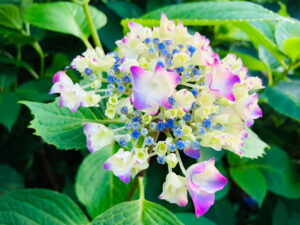
Konohanasakuya-hime ― the color of flowers, plus their fleeting nature
Konohanasakuya-hime is the daughter of Oyamatsumi. In the Kojiki her name is written Konohananosakuyabime.
Because of her name, Fujisan Hongu Sengen Taisha takes the cherry tree as its sacred tree, with about 500 cherry trees planted in its grounds. Konohanasakuya-hime is enshrined at Sengen shrines across Japan as a guardian against fire, of safe childbirth, of weaving plus more.
A goddess named for flowers that bloom then soon fall has long been a symbol of beauty. Perhaps here we see a sensibility that honors blooming in this very moment more than lasting long.
Seoritsuhime plus Tsukuyomi ― the flow of water, the light of the moon
Seoritsuhime is a goddess who appears in the Oharae no Kotoba, a Shinto purification prayer. She dwells in the swift rapids of rivers and is said to carry sins plus impurities out to the sea. The movement of water is depicted directly as the work of a god.
Tsukuyomi, together with Amaterasu plus Susanoo, is called one of the Three Noble Children. He rules the night. In moonlight, not as strong as the sun yet never letting the darkness be complete, people in ancient times saw a different god.
They revered strong light plus weak light as separate gods. In this division I sense how finely they received light.
Ame-no-Uzume plus Sarutahiko ― the shape of movement, the shape of the road
Ame-no-Uzume is the goddess who danced before the heavenly rock cave. Her dance is said to be the origin of kagura. Kagura is considered the oldest performing art in Japan, counted among the sources of Noh plus Kabuki.
The movement of the body itself is depicted as having the power to brighten the world.
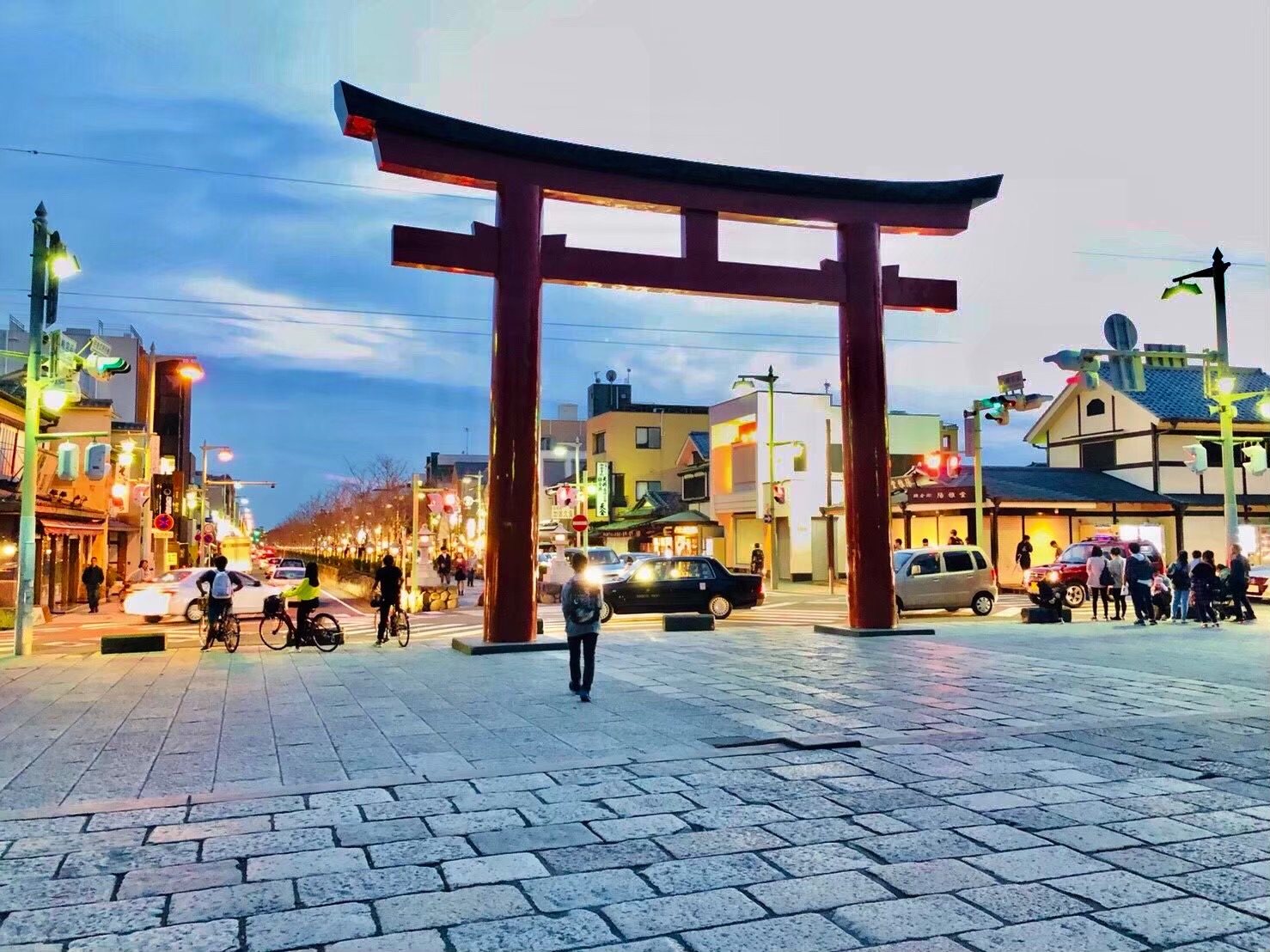
Sarutahiko is the god who stood at the head of the road and guided the party when the grandson of the gods descended from heaven. He is a god of roads, of great stature. Ame-no-Uzume took on the role of asking him his name.
The shape of movement in dance, the shape of space in a road. Japanese myths see gods in form as well.
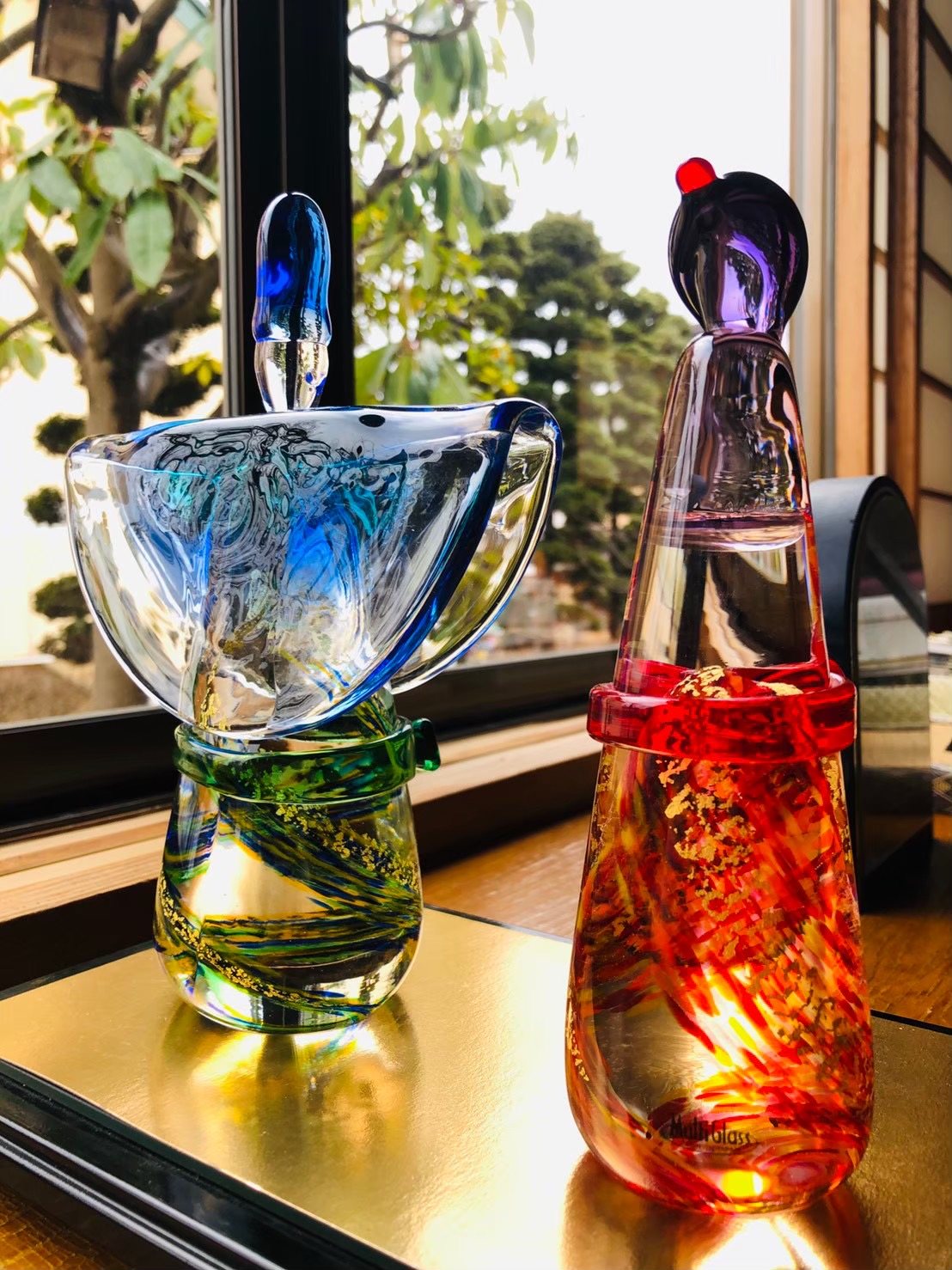
Sensing meaning in color plus form goes back to ancient times
Standing in front of a painting, you sometimes feel that a color is saying something.
That way of feeling is nothing special. It continues a long history of naming light, color plus form and revering them.
Myths explain the world, and at the same time they are a record of how people received what they could see.
Mermaid nao’s work, plus the Japanese way of feeling
Mermaid nao’s Personal Order Art turns what you share in conversation into color, form plus light on a single painting.
Giving visible form to what is within you but not yet in words. What I do is continuous with that way of feeling, which named phenomena.
Each piece is delivered framed.
[References]
Amina Collection Co., Ltd. (Japanese): Ame-no-Uzume, goddess of the performing arts who saved the world with kagura / Konohanasakuya-hime, the myth behind the word for cherry blossom
Discover Japan (Japanese): Konohananosakuyabime, the goddess of beauty enshrined on Mt. Fuji as a goddess of fire
Fujisan Hongu Sengen Taisha (Japanese): History of the shrine
Nihon Shinwa to Rekishi (Japanese): Who is Ame-no-Uzume?
Related articles