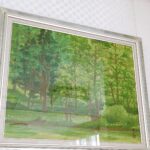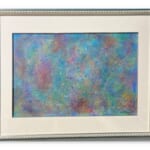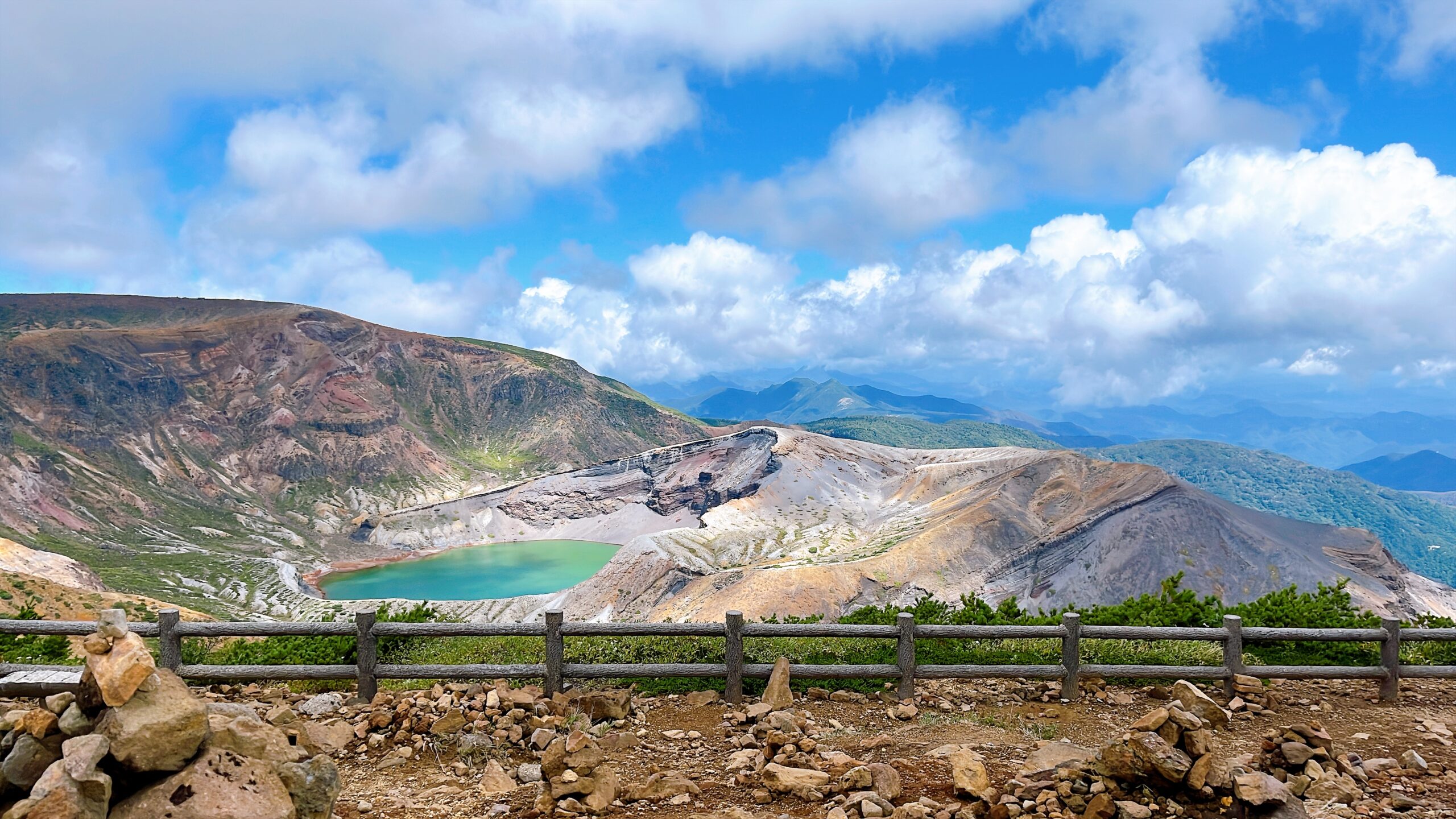
In a single day, you make more decisions than you can count. You answer someone's question, look at the numbers, decide the next move.
The more a person lives days like these, the more the few dozen minutes after coming home bring them back to where they started.
Something with meaning, placed where you can see it. That alone can change how the next morning begins.
This feeling is nothing new.
In Yonezawa, in the south of Yamagata Prefecture, a spirit of handling things with care has been passed down for more than four hundred years.
Here I trace the paths of three people who laid its foundation, from the point of view of everyday life plus well-being today.
The man who rooted the power of making things in snow country
Uesugi Yozan was born in Edo in 1751 (Horeki 1), the second son of the lord of the Takanabe domain in Hyuga Province. In 1767 (Meiwa 4), at the age of 17, he became lord of the Yonezawa domain.
At the time, the Yonezawa domain supported more retainers than its rice yield could sustain, and its debts kept piling up.
Yozan first issued a sweeping order of frugality and cut back the domain's spending.
On that basis, he went on to restore farmland, establish a domain school, plus foster new industries.
What he put the most effort into was making things. Silkworm raising, weaving, ceramics, washi paper.
Beginning with crepe woven from aoso, a ramie fiber grown in the Okitama region, this grew into sericulture and silk weaving. It became what is known today as Yonezawa-ori, Yonezawa textiles.
In terms of numbers, it was a policy to increase sources of income.
Yet at its root, I think, was a wish that the people living on that land could create value with their own hands and make a living from it.
This is how a culture of carefully making things took root in snow country.
The single character for love, plus a statesman who gathered books
Going further back in time, Yonezawa also has Naoe Kanetsugu.
As chief retainer of the Uesugi family, he was the one who actually ran the domain's government.
Even without knowing his name, many people may have seen the helmet crowned with the single character 愛 (ai, love).
This helmet is still kept today at the Keishoden treasure hall of Uesugi Shrine in Yonezawa. There are two theories about where the character comes from: one says it was taken from Aizen Myoo, a Buddhist deity, another says it was taken from Atago Gongen, the deity Uesugi Kenshin worshipped.
Kanetsugu left one more thing behind: books.
In 1618 (Genna 4), he built Zenrin-ji temple (today's Hosen-ji), and within it created a place of learning called the Zenrin Bunko. It was for teaching the children of Yonezawa's samurai, and some of the books Kanetsugu gathered have been handed down to this day as cultural properties.
A man who lived through the Warring States period tried to govern his land not only by force, but through knowledge and learning.
That attitude is thought to have left Yonezawa with a model of its own.
A way of handling beauty, passed down
Uesugi Shrine enshrines Uesugi Kenshin, the founder of the Uesugi family.
Kenshin himself was from Echigo Province, but his family later moved through Aizu to Yonezawa, and the history of the Uesugi family put down its roots in this land.
Besides the helmet, the Keishoden holds many arms, garments, calligraphy plus crafts from that era.
Looking at what is lined up there, you can sense that the things people wore and held in their hands were never treated as mere tools.
Research on the brain and art has reported that when people look at a painting that moves them, blood flow in the prefrontal cortex changes, and areas related to reward respond.
There are also measurements showing the autonomic nervous system shifting toward a calmer state.
Facing something meaningful for a few minutes. That alone lets tension ease, starting from the body.
The people of Yonezawa may never have put this effect into words.
Even so, they kept a careful way of handling beauty within their daily lives. A model from four hundred years ago seems to fit the way we live now, too.
Painting one piece in Yamagata
I paint one-of-a-kind original works based on conversation, in Kaminoyama City, Yamagata Prefecture.
Yonezawa is about an hour away by car, and I work in the same snow-country air.
People who have received a painting sometimes share words like these.
"On days when I am unsure about a decision, having this where I can see it reminds me what I wanted to cherish in the first place."
What the three people of Yonezawa left behind was perhaps not their policies, nor the helmet itself, but a habit of returning to one's core through things.
That habit works the same way, whether in a museum, or in one painting on the wall at home.
Today, in the room of someone tired from making decision after decision, there is a painting that helps them face forward again the next morning.
I think of this as a continuation of what this land has always held dear.
[References]
Yonezawa City Uesugi Museum, Denkoku no Mori (Japanese): Yozan Theater
Yonezawa Kanko NAVI (Japanese): Uesugi Yozan
Yonezawa Kanko NAVI (Japanese): Historic sites related to Naoe Kanetsugu
Token World (Japanese): Historic sites associated with Naoe Kanetsugu / The armor of Naoe Kanetsugu
Naoe Kanetsugu Yonezawa.com (Japanese): Hosen-ji
Koreiiwa (Japanese): Who was Uesugi Yozan: the reforms that created Yonezawa-ori, plus the true meaning of naseba naru
Wikipedia (Japanese): Uesugi Yozan / Naoe Kanetsugu
Related articles