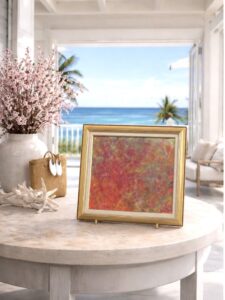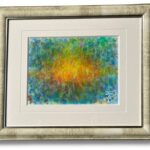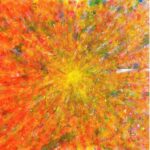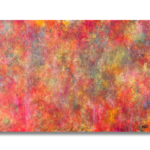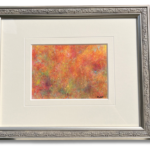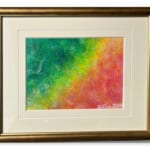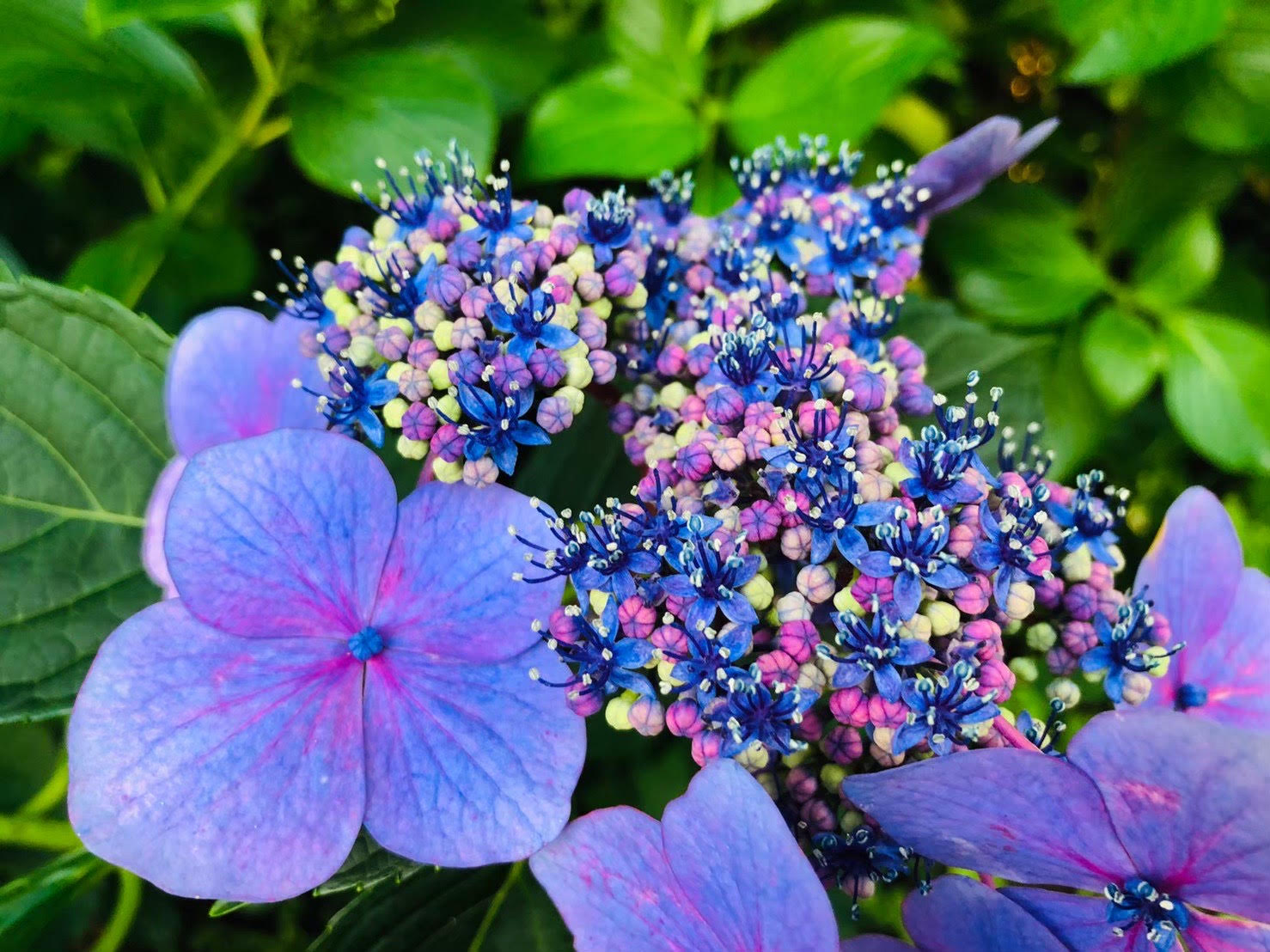
Hanging just one painting, and enjoying how it looks different with the seasons plus your mood that day.
This way of living has long existed in Japan.
That is because Japanese aesthetics have placed value on what passes, plus what is never quite complete, more than on perfection. Let me trace this through the words of four people.
Motoori Norinaga ― knowing mono no aware
Motoori Norinaga was a scholar of Japanese classics in the Edo period. He spent 35 years reading The Tale of Genji, and in 1796 completed his commentary, Genji Monogatari Tama no Ogushi.
In it, Norinaga set out the idea of knowing mono no aware, the pathos of things. The National Institute of Japanese Literature describes it as groundbreaking, freeing literature from the moralizing view that had prevailed since medieval times.
Knowing mono no aware, Norinaga wrote, means feeling beauty as beauty, sadness as sadness, plus being able to imagine the hearts of others in different positions.
For Norinaga, perhaps, being moved by what one sees came before learning any lesson.
Matsuo Basho ― what never changes, plus what keeps changing
In haikai poetry there is the phrase fueki ryuko. It appears in Kyoraisho, compiled by Mukai Kyorai, a disciple of Basho.
According to Kyoraisho, fueki is what does not change, what speaks to every age. Ryuko is the change of each moment, where today’s form will no longer fit tomorrow.
Basho himself did not give direct examples of the two. Yet the records of his disciples suggest he valued the sense that beneath the heart that seeks the new, something unchanging flows.
Living with one painting for a long time may be close to this. The painting stays there unchanged, and the one looking at it changes every day.
Sen no Rikyu ― seeing beauty in simple things
Sen no Rikyu perfected wabi-cha, the tea of quiet simplicity, in the Azuchi-Momoyama period. He is called the saint of tea.
According to nippon.com, Rikyu brought the spirit of Zen into tea, found beauty in simple utensils plus small tea rooms, and built the heart of the tea ceremony. The phrase wa kei sei jaku, harmony, respect, purity plus tranquility, has been handed down as an expression of that heart.
Beauty lies not in polished, costly things, but in what is chipped or plain. This way of seeing left a lasting mark on Japanese craftsmanship.
Perhaps Rikyu believed that, faced with something incomplete, what one sees in it is left to each person.
Kukai ― color plus form carry meaning in themselves
Kukai was a monk of the Heian period who brought Esoteric Buddhism to Japan. A master of calligraphy, he is counted among the Three Brushes.
Kukai brought to Japan the mandala, which expresses the worldview of Esoteric Buddhism in a picture. It depicts the world of the buddhas on a single sheet through position, color plus form.
In his work Shoji Jisso Gi, Kukai taught that sounds plus written characters are themselves manifestations of truth. The idea is that meaning dwells not only in what words say, but in their very sound plus shape.
Color plus form convey something without explanation. Over a thousand years ago, Kukai may already have put into words what lies at the root of hanging a painting.
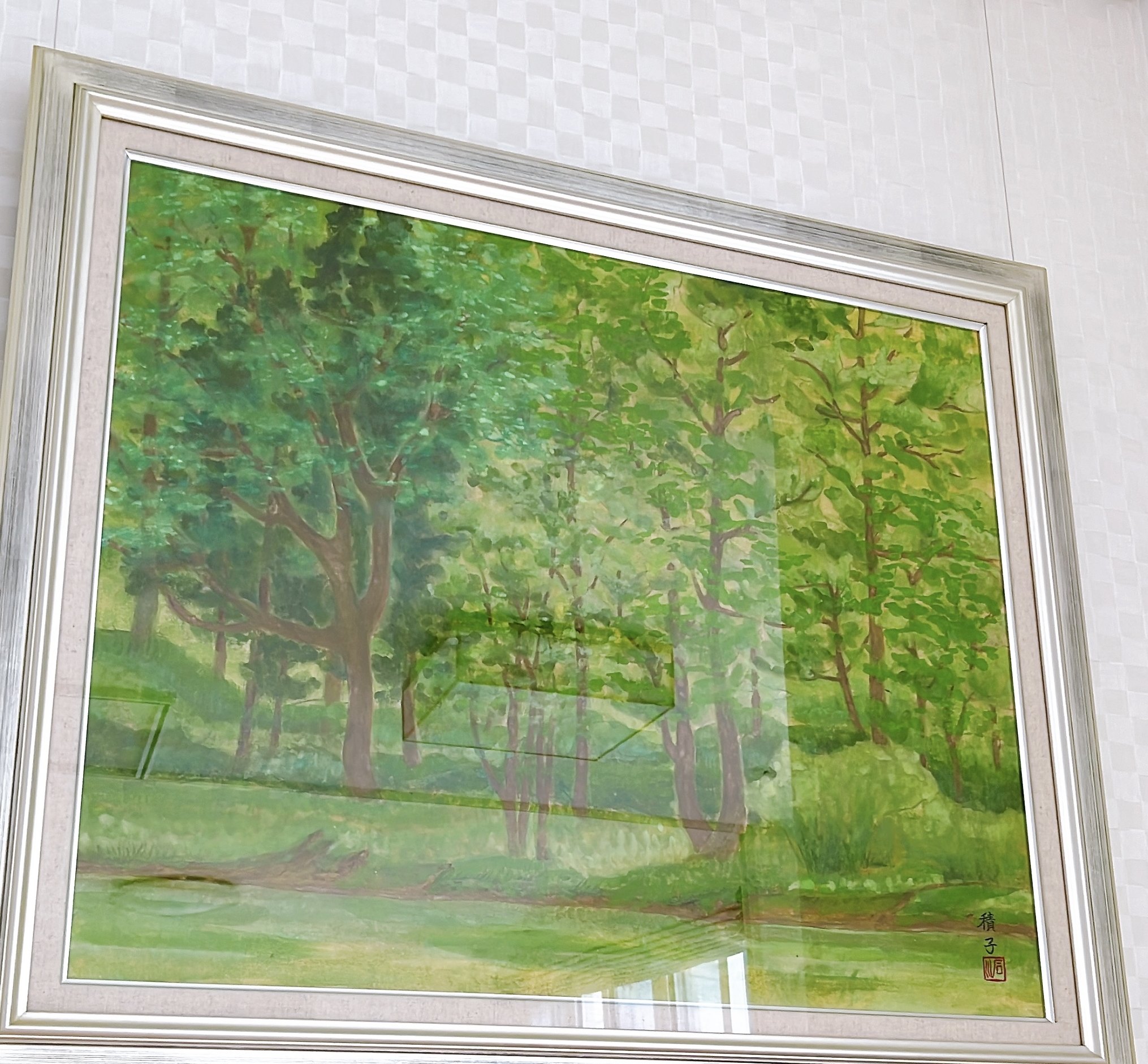
Living with a painting
What the four share is that they valued room for the viewer’s heart to move, more than a finished answer.
Hanging a single scroll in the tokonoma alcove, changing it with the seasons. Japanese homes had a custom of placing just one painting and making time to face it.
There is no need to display many. If there is one painting that means something to you, and it looks a little different every day, that is enough.
Mermaid nao’s Personal Order Art is made in keeping with this Japanese sense of living with one painting. Each piece is delivered framed.
[References]
National Institute of Japanese Literature (Japanese): Genji Monogatari Tama no Ogushi, a history of Japanese classical literature through books
Wikipedia (Japanese): Genji Monogatari Tama no Ogushi
Kotobank (Japanese): What is fueki ryuko? Meaning plus usage
Wikipedia (Japanese): Kyoraisho
nippon.com: Sen no Rikyu, embodying a view of nature fused with aesthetics through tea
J-STAGE (Japanese): The structure of hosshin ze jisso in Kukai’s Shoji Jisso Gi
Encyclomedia Kukai (Japanese): Shoji Jisso Gi / Mandala
Related articles